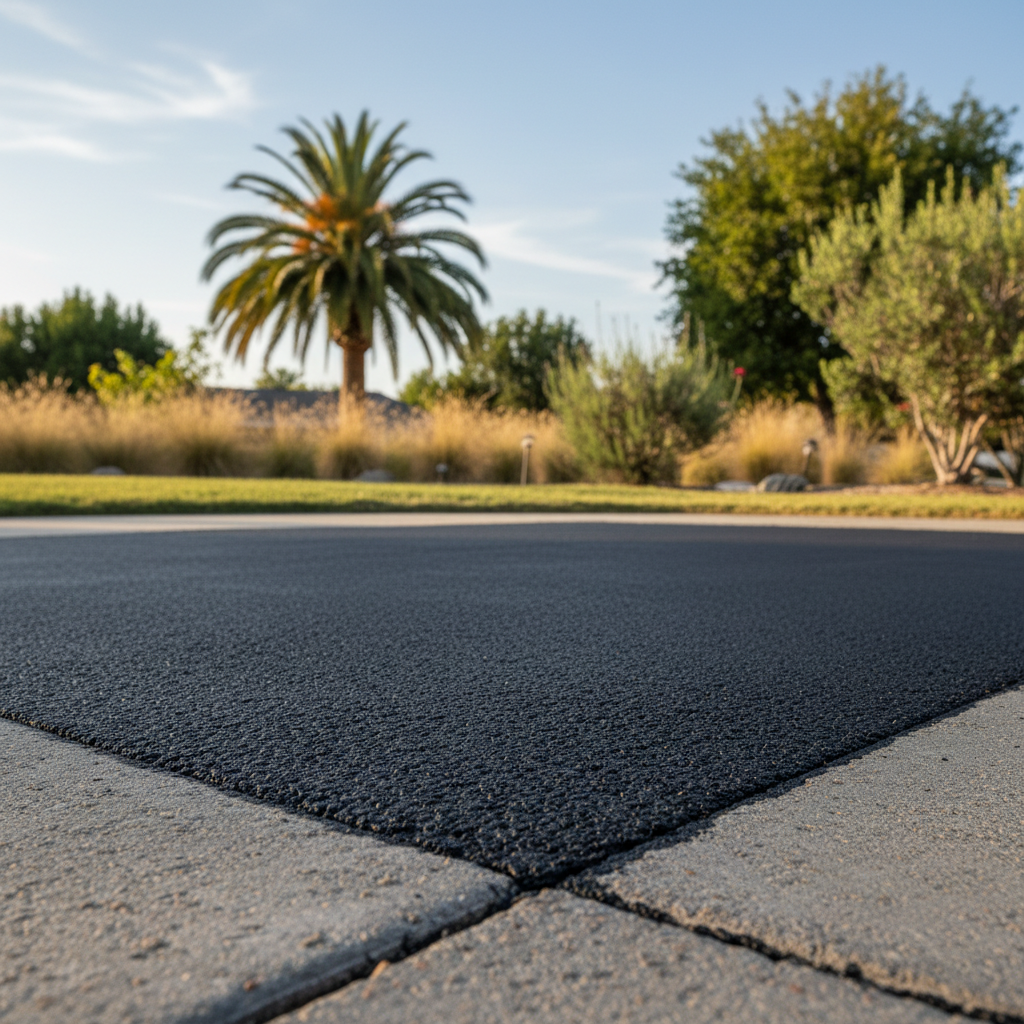
Alright, let's talk about asphalt patching. I get a lot of calls from folks right here in La Habra, and a good chunk of 'em are about fixing up driveways and parking lots that are starting to look a little rough. Instead of answering the same questions over and over, I figured I'd put it all down here. This isn't some fancy marketing spiel; it's just what I've learned from years of working with asphalt, especially around our neck of the woods.
What's the difference between patching and repaving?
This is probably the most common question I get. Think of it this way: patching is like putting a band-aid on a cut. It fixes a specific problem area – a pothole, a crack, a sunken spot. You're just repairing the damaged part of the existing asphalt surface. Repaving, on the other hand, is more like getting a whole new skin. That's when we're either putting a new layer of asphalt over your entire existing surface (an overlay) or tearing out the old stuff completely and laying down a brand new base and asphalt layer. Patching saves you money in the short term by addressing immediate hazards and preventing further damage, but it doesn't give you a brand-new surface. Repaving? That's a bigger investment for a complete refresh.
When is patching enough, and when do I need to repave?
Good question, and it really depends on the overall condition of your asphalt. If you've got a few isolated potholes, some alligator cracking in a small section, or maybe a utility trench that was poorly filled, then patching is usually the way to go. It's cost-effective and extends the life of your pavement. But if more than, say, 25-30% of your driveway or parking lot shows significant damage – widespread cracking, multiple potholes, major rutting, or drainage issues – then you're probably looking at a repave. Patching too many areas on a failing surface is like trying to hold a crumbling cookie together with sprinkles; it just won't last. I always tell people, if you're constantly patching the same spots, it's time to consider a bigger solution.
What types of patching methods do you use?
We use a few different methods depending on the damage. The most common are 'cut and patch' and 'infrared patching.'
- Cut and Patch: This is the most durable method for larger, deeper damage. We cut out the damaged section in a neat, rectangular shape, remove all the old material down to a solid base, clean it out, apply a tack coat (which helps the new asphalt stick), and then fill it with fresh hot asphalt. We compact it thoroughly, making sure it's level with the surrounding pavement. This is what you want for potholes and larger areas of failure.
- Infrared Patching: This is pretty cool for smaller, shallower repairs or blending existing asphalt. We use an infrared heater to heat up the damaged asphalt and the surrounding area. This softens it up, letting us rake it, add some new asphalt if needed, and then re-compact it. It creates a seamless repair because we're essentially recycling and blending the existing material. It's great for things like uneven surfaces, minor depressions, or small areas of cracking.
How long does an asphalt patch last in La Habra?
That's a tricky one because it depends on a bunch of factors: the quality of the original asphalt, the type of patch, the traffic it sees, and even our local weather. Here in La Habra, we get those hot summers and occasional heavy rains, which can be tough on asphalt. A well-done cut and patch, using good quality materials and proper compaction, can easily last 5-10 years, sometimes more, especially if the underlying base is still solid. Infrared patches can last a good few years too, but they're generally for less severe damage. The key is proper installation and making sure the underlying problem (like a drainage issue) isn't still there. If you've got a patch that keeps failing, it's a sign there's a bigger issue we need to look at.
Can I patch it myself?
Look, I'm a big believer in DIY for some things, but asphalt patching isn't usually one of 'em, especially if you want it to last. You can buy cold patch material at the hardware store, and it's fine for a temporary fix for a small pothole to prevent further damage or a trip hazard. But it's not a permanent solution. Cold patch doesn't bond as well, and it's not as durable as hot asphalt. Plus, getting the right compaction and making sure the area is properly prepared takes specialized equipment and experience. If you're looking for a lasting repair that blends in and holds up to traffic, you're better off calling in a pro. We've got the tools and the know-how to do it right the first time.
What causes potholes and cracks in the first place?
Most of the time, it comes down to water getting under the asphalt. We've got some areas in La Habra, especially older neighborhoods with clay soils, where water can really cause problems. When water seeps through small cracks into the base layer, it weakens it. Then, traffic drives over it, and the asphalt flexes. In the winter, if that water freezes (not super common here, but it happens sometimes in colder snaps), it expands, pushing the asphalt up. When it thaws, it leaves a void, and the asphalt collapses, creating a pothole. Cracks are often the first sign of this process starting, or they can be from the asphalt just getting old and brittle from sun exposure and traffic. Good drainage is key to preventing a lot of these issues.
How much does asphalt patching cost?
This is probably the second most common question, and it's tough to give a one-size-fits-all answer without seeing the job. Patching costs depend on the size and depth of the area needing repair, the type of patching method we use, the accessibility of the area, and how much material we need. A small, simple pothole is obviously going to be a lot less than a large section of alligator cracking that needs to be cut out and replaced. What I can tell you is that getting a patch done by Alpha Asphalt Co. is almost always going to be significantly less expensive than a full repave, and it can save you a lot of money down the road by preventing small problems from becoming massive, costly ones. The best thing to do is give us a call, and we can come out, take a look, and give you a solid estimate.
Hopefully, this clears up some of the questions you might have about asphalt patching. Don't let those small cracks turn into big headaches; addressing them early is always the smart move.