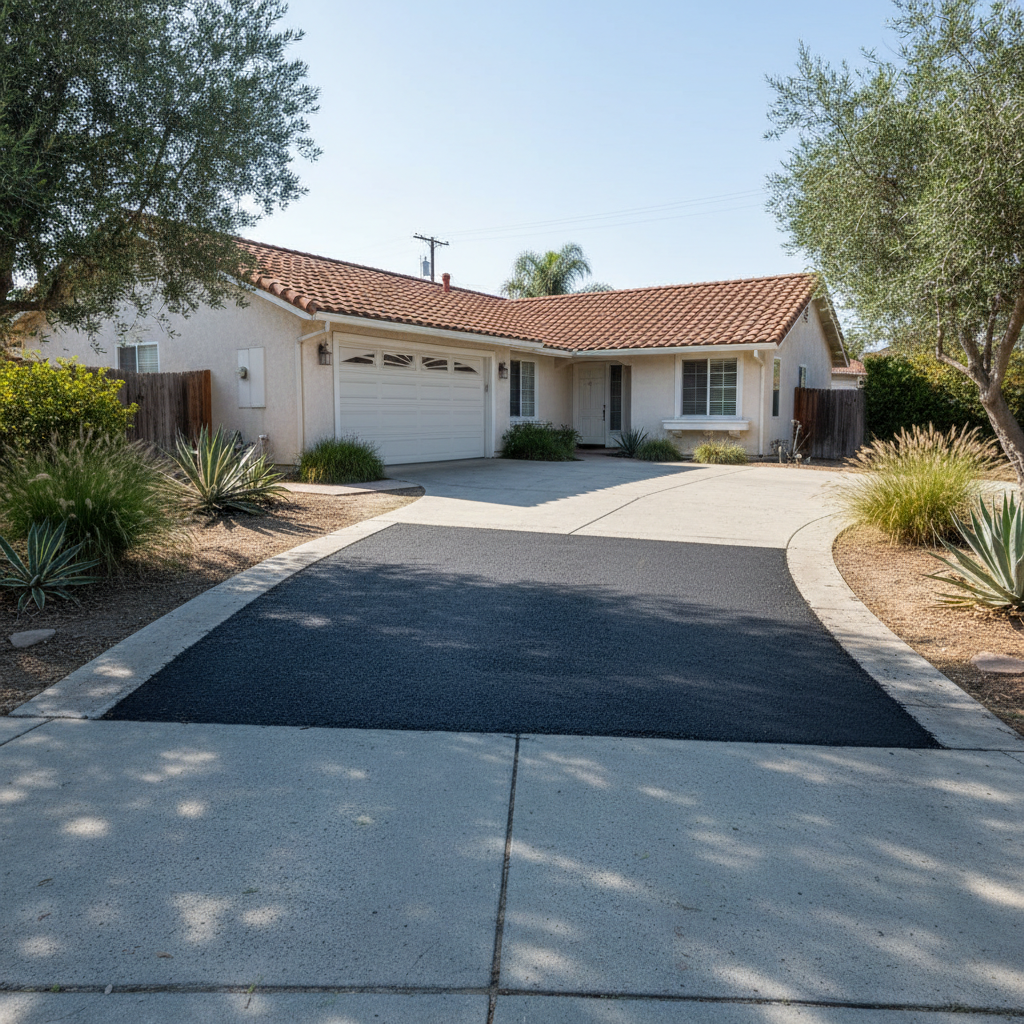
Alright, you've got some cracks, maybe a pothole or two, on your driveway or private road here in La Habra. It's not the end of the world, but it's definitely something you want to fix before it turns into a much bigger, more expensive problem. Patching asphalt might seem straightforward, but a little planning goes a long way. I'm going to walk you through what to expect, how to get ready, and the smart questions to ask before you hire anyone for the job.
How Long Does Asphalt Patching Take?
So, how long does this whole thing take? Well, it depends on the size and complexity of the patching job, but generally, the actual work on site isn't an all-day affair for most residential projects. For smaller repairs, we're often talking a few hours. Larger sections, or multiple areas, might take a full day. The biggest variable, honestly, is usually just getting on the schedule.
- Initial Contact & Estimate: This is step one. You call us, we come out, take a look, and give you a quote. This can happen pretty quickly, often within a few days to a week, depending on how busy things are.
- Scheduling the Work: Once you approve the estimate, we'll get you on the calendar. This is where things vary the most. During peak season (usually spring and fall, when the weather's just right), it might be a couple of weeks out. In slower times, we could be there sooner.
- The Work Itself: As I said, for most residential patching, it's usually a matter of hours. We'll cut out the bad stuff, prepare the base, lay down new asphalt, and compact it.
- Curing Time: This is important. While you can often drive on it fairly soon, it's best to give it at least 24-48 hours before heavy traffic, especially if it's a deep patch. We'll give you specific instructions for your job, of course.
What to Expect During the Process
When we show up, you'll see a crew, some equipment, and we'll get right to it. Here's the general rundown:
First, we'll mark out the areas that need patching. We're not just filling a hole; we're cutting out the damaged asphalt in a neat, square or rectangular shape. This creates clean edges for a strong repair. We use specialized saws for this, so expect a bit of noise.
Next, we remove the old, bad asphalt. We'll dig down to the stable base material underneath. If that base is compromised, we'll address it, maybe adding new aggregate and compacting it thoroughly. This is crucial; a good patch starts with a solid foundation. You don't want a patch that just sinks again in a few months because the base wasn't right, especially with our La Habra clay soils that can shift with moisture.
Then, we'll apply a tack coat to the edges and base. This is an adhesive that helps the new asphalt bond to the old pavement and the base. Think of it like primer before painting.
Finally, we lay down the new hot asphalt mix. We'll rake it out evenly and then compact it with a roller or vibratory plate compactor. This makes sure it's dense, smooth, and matches the surrounding pavement as closely as possible. We aim for a smooth transition, naturally.
How to Prepare Your Property
You don't need to do much, but a few things help us get the job done efficiently and safely:
- Clear the Area: Move your cars, trash cans, kids' toys, bikes, anything that's in or near the area we'll be working on. We need clear access.
- Trim Overhanging Branches: If you've got low-hanging tree branches over the driveway, especially near the patching site, give them a trim. Our equipment needs room to maneuver.
- Contain Pets: Keep your pets inside or securely fenced away from the work zone. Hot asphalt isn't good for paws, and equipment can be dangerous.
- Water Access: Sometimes we need a little water for cleanup or to cool equipment. Knowing where your outdoor spigot is can be helpful.
- Ask Questions: If you're unsure about anything, just ask us when we arrive. We're happy to explain the process.
Questions to Ask Before Signing a Contract
Before you commit to any contractor, especially for something as important as your home's asphalt, you want to be sure you're making a good choice. Here's what I'd ask:
- Can I see your license and insurance? Any legitimate contractor will have these ready to show you. Don't work with anyone who doesn't. This protects you if something goes wrong.
- What's included in the price? Make sure the quote clearly outlines everything: material costs, labor, equipment, site prep, and cleanup. No surprises later, right?
- What kind of asphalt mix will you be using? For patching, we use specific mixes designed for durability and adhesion. It's good to know they're not just throwing any old stuff down.
- How do you prepare the base? As I mentioned, the base is key. Ask about their process for ensuring a solid foundation for the patch.
- What's your warranty on the work? A reputable company like Alpha Asphalt Co. stands behind its work. You should get a clear understanding of what's covered and for how long.
- How long before I can drive on it? Get clear instructions on curing times. You don't want to mess up a fresh patch by driving on it too soon.
- Do you have references? Any good contractor should be able to provide you with names of past clients you can call.
Getting your asphalt patched isn't a huge ordeal, but doing it right means it'll last. Take your time, ask the right questions, and you'll have a smooth, safe surface for years to come.