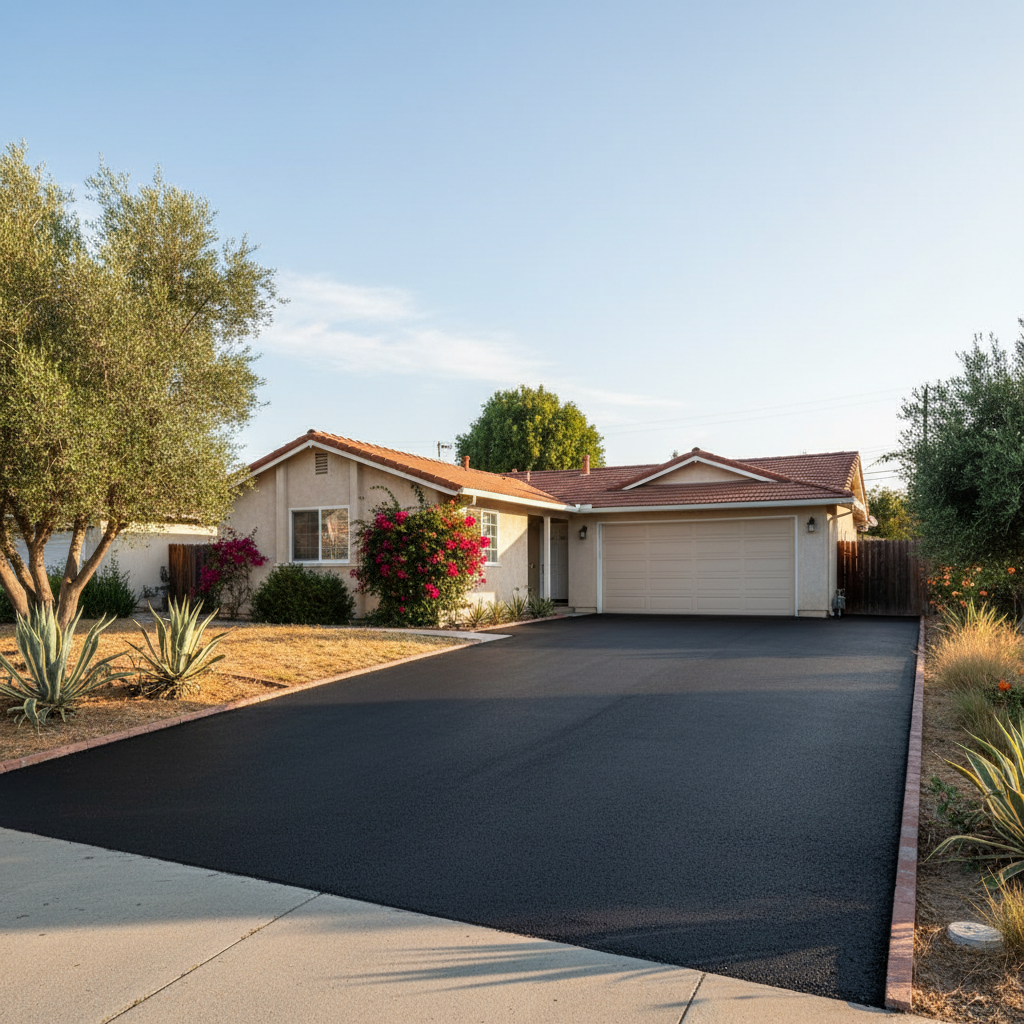
When's the best time to get your driveway or parking lot paved here in La Habra? It's a question I get a lot, and honestly, the answer isn't just about when you're ready. It's about when the weather's ready, too. As Alpha Asphalt Co., we've seen firsthand how much our local climate impacts asphalt work.
Why Timing Matters for Asphalt in La Habra
Asphalt paving isn't like painting a wall; you can't just do it any day. Temperature, moisture, and even the ground conditions all play a big part in how well the asphalt cures and how long it'll last. Here in La Habra, we've got our own unique challenges and advantages.
For instance, those summer heatwaves we get, especially in August and September when it's routinely hitting the high 80s or 90s? That's actually pretty good for asphalt. The heat helps the material stay pliable during installation and aids in the compaction process. What you don't want is it being too cold, or too wet.
The Best Time to Schedule Your Asphalt Project
Hands down, the sweet spot for asphalt paving in La Habra is usually late spring through early fall. Think May, June, July, and even into October if we're lucky with the weather. Here's why:
- Warm Temperatures: Asphalt needs warmth to be properly laid and compacted. The binders in the asphalt need to stay hot and fluid. If it's too cold, the asphalt cools too quickly, making it harder to compact properly and leading to a weaker, less durable surface.
- Dry Conditions: This is a big one. You can't pave on wet ground. Period. Moisture under the asphalt can cause all sorts of problems down the line, from cracking to potholes. Our dry summers are perfect for this.
- Longer Days: More daylight means crews have more time to get the job done right, especially on bigger projects.
Now, can we pave in winter? Sometimes. If we get a stretch of dry, mild days where the temperature stays above 50°F, it's possible for smaller repairs. But for a full overlay or new installation, you're really pushing it. The risk of a cold snap or unexpected rain just isn't worth compromising the quality of your investment.
What Weather Conditions Affect the Work?
Like I said, temperature and moisture are the main players. But let's break it down a bit more:
- Too Cold: Below 50°F, asphalt becomes stiff and difficult to work with. It won't compact properly, leaving voids that water can get into, leading to premature deterioration.
- Too Hot (Extreme): While warmth is good, extreme heat (think 100°F+) can make the asphalt too soft, making it hard to get proper compaction and potentially leading to rutting later on. We usually adjust our work schedule on those super hot days to avoid the peak heat.
- Rain: A definite no-go. Paving on a wet surface means the asphalt won't bond correctly, and water can get trapped underneath, causing major issues. Even if it's just a light drizzle, we'll usually postpone.
- High Humidity: Less critical than rain, but high humidity can slow down the curing process of sealcoats.
We're always checking the forecast multiple times a day when we've got a job scheduled. If the weather looks iffy, we'll be in touch to reschedule. It's better to wait a day or two than to lay down a sub-par product.
Protecting Your Asphalt Investment Year-Round
Once your asphalt is down, your job isn't over. You've got to protect that investment. Here's what you need to keep in mind, especially living in a place like La Habra with our mix of hot sun and occasional heavy rains:
- Sealcoating: This is your asphalt's sunscreen and raincoat. A good sealcoat every 2-3 years protects against UV rays, water penetration, and oxidation. It's like giving your driveway a fresh layer of skin.
- Crack Sealing: See a crack? Fill it. Don't wait. Cracks are entry points for water, and once water gets under your asphalt, especially with our clay-heavy soils in some parts of La Habra, it can expand and contract, leading to bigger problems like potholes.
- Drainage: Make sure water drains off your asphalt properly. If you've got standing water, that's a problem. Clear out gutters and make sure there's no debris blocking runoff.
- Cleanliness: Keep it clean. Oil spills, gasoline, and other chemicals can degrade asphalt. Clean them up quickly. Also, avoid heavy vehicles if your asphalt wasn't designed for them.
Look, your driveway or parking lot is a big investment. Getting the timing right for installation and then taking care of it year-round will save you a lot of headaches and money in the long run. If you've got questions about your asphalt or need an estimate, give us a shout at Alpha Asphalt Co. We're always here to help our neighbors in La Habra.