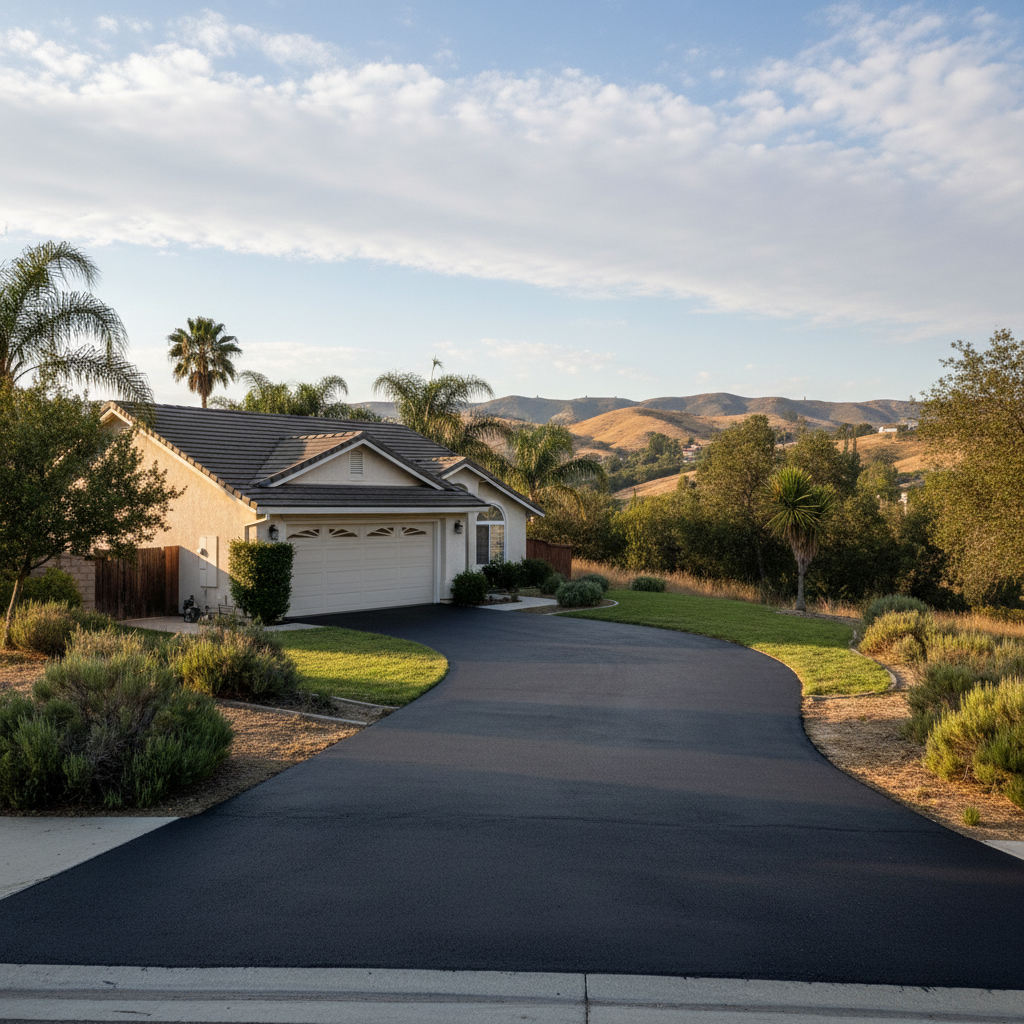
Why Sealcoating Matters in La Habra
So, you've got a nice asphalt driveway, right? Maybe it's brand new, or maybe it's been around for a while. Either way, you probably want it to stick around. That's exactly where sealcoating steps in. Think of it like sunscreen for your driveway – pretty crucial, wouldn't you say?
Here in La Habra, we really get a lot of sun, and that relentless UV radiation is just brutal on asphalt. It dries out the binders, making your pavement brittle and, well, prone to cracking. Then, when those occasional downpours hit, water seeps right into those cracks, causing even more damage. Not ideal.
Sealcoating puts a protective layer over your asphalt. This shields it from the sun's rays, stops water from getting in, and even resists oil and gas spills. Plus, it gives your driveway that fresh, dark look, which is a pretty nice bonus. But it's not just about how it looks; it's really about making your investment last longer. A driveway that's taken care of can easily last years more than one that's just left to fend for itself.
The Best Time to Sealcoat Your Driveway
Timing is absolutely everything when you're talking about sealcoating, especially around here. You can't just do it any old day, you know? The biggest thing to consider? Temperature. Sealcoat needs warm, dry conditions to cure correctly. That means the air temperature should be at least 50 degrees Fahrenheit and climbing, and it needs to stay that way for at least 24-48 hours after we put it down. The ground temperature matters too; it has to be warm enough for the material to bond properly.
For us folks in La Habra, that usually means the sweet spot runs from late spring through early fall. April, May, June, and then September and October are typically perfect. The summer months, July and August, can work too, but you've really got to watch out for those super hot days – anything over 90 degrees can sometimes make the sealcoat dry too fast, which can cause problems. And you definitely want to steer clear of the rainy season, which usually kicks off around November and sticks around until March. Trying to apply sealcoat right before a rainstorm? That's just a waste of time and money, plain and simple.
Weather Conditions That Affect the Work
Beyond just the temperature, there are a few other weather conditions we always keep a close eye on before we even think about scheduling a sealcoating job:
- Rain: This is the big one. If there's even a slight chance of rain within 24-48 hours, we just won't start. Sealcoat needs to be completely dry before it gets wet. If it rains too soon, the material can wash away, streak, or just not cure right, leaving you with a mess and no protection.
- Humidity: High humidity can definitely slow down how fast things dry. While it's not as critical as rain, on a really humid day, it might take a bit longer for that sealcoat to be ready for traffic.
- Wind: A little breeze? That's actually great, it helps with drying. But strong winds can be a real headache. They can blow dust and debris onto the wet sealcoat, or even cause overspray onto nearby cars or your landscaping. We're always super mindful of the Santa Ana winds, for example, which can pop up unexpectedly and make sealcoating a definite no-go.
- Sunlight: Direct sunlight is good for curing, but extreme heat can be an issue, like I mentioned earlier. During peak summer, we often schedule jobs for the morning or late afternoon to avoid that harshest midday sun.
When you call Alpha Asphalt Co. for a quote, we'll always check the forecast thoroughly to make sure we pick the absolute best day for your project. We're not going to start a job if we know the weather isn't going to allow for a quality finish.
Protecting Your Investment Year-Round
Once your driveway is sealcoated, you've done a fantastic job protecting it. But there are still a few simple things you can do to make that sealcoat last even longer:
- Keep it Clean: Sweep off dirt, leaves, and other debris regularly. And don't let oil or gas spills just sit there – clean them up quickly. The longer they stay, the more they can break down the sealcoat.
- Avoid Heavy Loads: Try not to park heavy trucks or RVs on your driveway for long stretches, especially right after sealcoating. All that weight can cause indentations or cracks.
- Watch for Weeds: Weeds are sneaky; they can grow right through cracks, making them bigger and damaging the asphalt. Pull them out as soon as you spot them.
- Address Small Cracks: Even with sealcoat, tiny cracks can pop up over time. Don't ignore them! Use a good quality crack filler to seal them up before they get bigger and let water in. This is a super simple fix that'll save you a ton of money later on.
- Reapply Periodically: Sealcoat isn't a one-and-done kind of deal. Most driveways need another coat every 2-3 years, depending on how much traffic they see, sun exposure, and the quality of the first application. Just pay attention to how it looks – if it's starting to fade or look dull, it's probably time for another round.
Taking these steps will really help ensure your La Habra driveway stays looking great and performing well for years to come. It's all about being proactive, isn't it?